Steering & Suspension

Steering and suspension inspections and repairs

Get Service

Find the cause of loose steering or a rough ride.

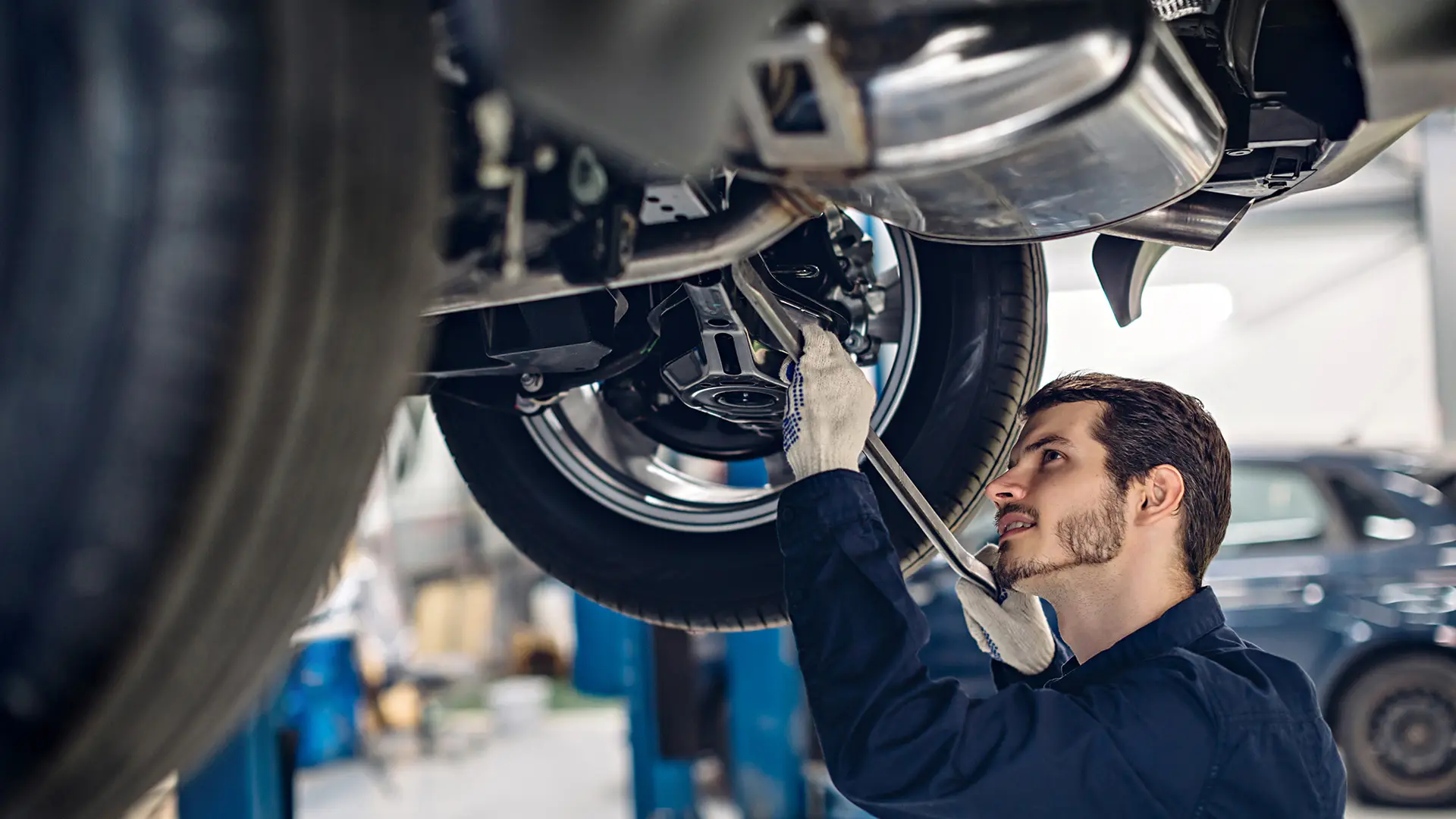
Shocks, struts, joints, bushings, and steering components influence vehicle control and tire contact. OOROO checks wear and the source of handling changes before recommending repairs. Tire condition and alignment also matter, so replacing shocks alone may not correct every pull, vibration, or noise.

Steering & suspension service

Service may include

Inspect steering components and connections
Check hydraulic assist where fitted
Evaluate shocks and struts
Inspect ball joints and tie rods
Assess tires and alignment concerns
Inspect suspension bushings and mounts
Evaluate handling as conditions permit

When should handling changes be checked?

New noises or instability deserve attention.

Clunks over bumps, excessive bouncing, uneven tire wear, or a change in steering effort can indicate worn or damaged parts. Report a recent curb impact or pothole strike. Sudden loss of steering control or a severely unstable vehicle calls for stopping safely and arranging assistance.
Get Service
10% OFF with the Happy Car Club℠℠
Sign up
Already a member? Sign in

Steering & Suspension FAQs

Planning your service

Understand component wear, alignment needs, and steering-system differences.

For general questions about OOROO, visit our customer FAQs.

Do shocks and struts need replacement at a fixed mileage?
There is no universal replacement mileage. Leakage, damage, poor damping, and changes in ride or control help determine condition. Follow manufacturer guidance and inspect new symptoms promptly rather than waiting for a particular odometer reading.
What is the difference between shocks and struts?
Both help control suspension movement. A strut also forms a structural part of the suspension on vehicles designed to use it. They are not interchangeable, and repair procedures depend on the suspension layout.
Will an alignment fix worn suspension parts?
No. Loose or damaged components can prevent alignment from holding its settings. Necessary repairs should be addressed before final alignment adjustments. Some steering and suspension repairs also require an alignment check afterward.
Why does my vehicle clunk over bumps?
Possible sources include stabilizer links, bushings, ball joints, strut mounts, or other loose components. The location and conditions of the noise help guide inspection. A clunk does not identify one specific part without checking for wear or movement.
Does every power-steering system use fluid?
No. Hydraulic systems use fluid, while electric power steering uses electrical assistance. A hard-to-turn steering wheel can have different causes depending on the design. Confirm the system type before assuming a fluid top-off is the solution.