Belts & Hoses

Drive belt, timing belt, and automotive hose service

Get Service

Protect the systems connected by belts and hoses.

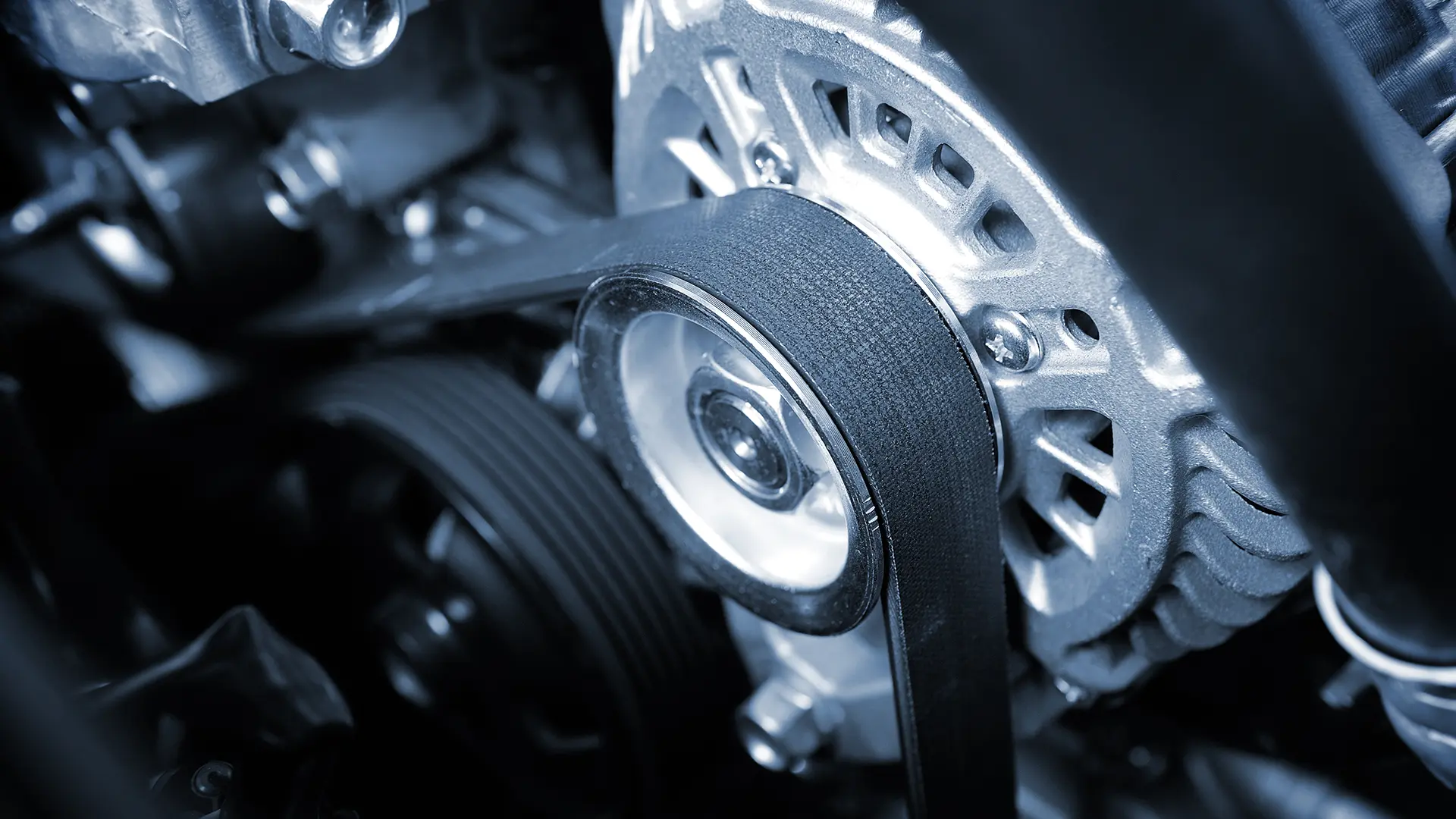
Drive belts power engine accessories, timing belts synchronize engine components, and hoses carry fluids or vacuum. Their service needs differ. OOROO checks wear, leaks, and related components, then recommends work based on your vehicle’s design and maintenance history.

Belt & hose service

Service may include

Inspect drive belts for wear and damage
Check tensioners and pulley alignment
Review timing-belt replacement requirements
Inspect coolant and vacuum hoses
Locate hose leaks and damaged connections
Replace affected belts or hoses as approved

When do belts and hoses need attention?

Use condition checks and the correct schedule.

Squealing, frayed belt edges, coolant residue, swollen hoses, or visible leaks deserve attention. A timing belt may be due for scheduled replacement even without symptoms. If a belt failure causes a temperature warning or sudden loss of steering assistance, stop safely and arrange help.
Get Service
10% OFF with the Happy Car Club℠℠
Sign up
Already a member? Sign in

Belts & Hoses FAQs

Planning your service

Compare belt types, replacement timing, and related repair needs.

For general questions about OOROO, visit our customer FAQs.

What is the difference between a serpentine belt and a timing belt?
A serpentine belt drives accessories such as the alternator and A/C compressor, depending on the vehicle. A timing belt keeps the crankshaft and camshaft synchronized. They perform different jobs and follow different service requirements; some engines use a timing chain instead.
When should a timing belt be replaced?
Follow the time and mileage limits for your exact engine, whichever applies first. Do not wait for noise or visible cracking. If your service history is unknown, have the engine type and previous replacement records checked so an appropriate plan can be made.
Should tensioners and pulleys be checked with a belt?
Yes. A weak tensioner, rough pulley bearing, or alignment problem can damage a replacement belt or cause persistent noise. The inspection should identify whether related components need service rather than treating every belt noise as a belt-only problem.
Can a coolant hose fail even if it looks intact?
Yes. Hose material can deteriorate internally, and leaks can develop at clamps or fittings. Inspection considers softness, swelling, deposits, connections, and system pressure as appropriate. A normal-looking exterior alone cannot establish that a hose is healthy.
Does every vehicle need all belts and hoses replaced together?
No. Replacement depends on scheduled requirements, condition, access, and related repairs. Some jobs share labor, making combined service practical, but the estimate should explain which parts are due or damaged and why each is recommended.