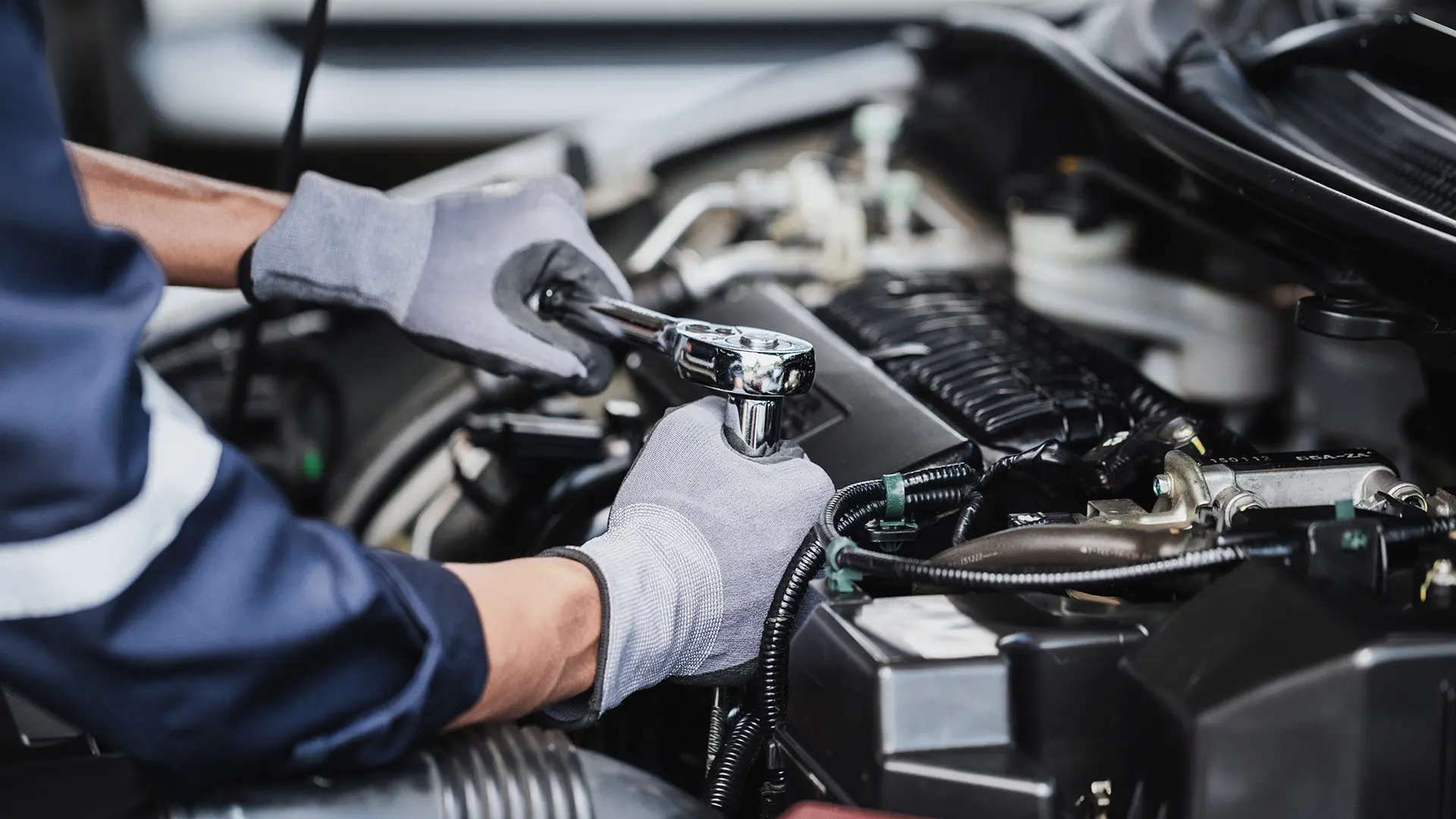
Engine Repair

Engine diagnostics and repairs based on the cause

Get Service

Turn engine symptoms into a clear repair plan.

A warning light, rough idle, oil leak, or loss of power does not identify a single failed part. OOROO combines your description of the problem with diagnostic testing and inspection to narrow the cause. Recommendations depend on the findings, from ignition or cooling faults to mechanical engine concerns.

Engine diagnosis & repair

Service may include

Review symptoms and diagnostic trouble codes
Test affected engine systems
Inspect oil and coolant leaks
Evaluate timing components when indicated
Assess cooling-system concerns
Check fuel and ignition operation as needed
Verify results after approved repairs

Know when an engine warning is urgent

Stop safely for severe symptoms.

An oil-pressure warning, overheating, heavy knocking, or a flashing check-engine light with rough running calls for stopping safely and arranging assistance. Continuing can worsen damage. For a steady check-engine light without severe symptoms, arrange diagnosis promptly and follow your owner’s manual.
Get Service
10% OFF with the Happy Car Club℠℠
Sign up
Already a member? Sign in

Engine Repair FAQs

Planning your service

Understand diagnostic testing, maintenance, and repair decisions.

For general questions about OOROO, visit our customer FAQs.

Does a trouble code tell you which part to replace?
Not by itself. A code identifies a condition detected by the vehicle’s computer. Wiring, air leaks, fuel delivery, ignition, or mechanical problems can produce similar codes. Testing is needed to confirm the cause before replacing parts.
What is the difference between maintenance and engine repair?
Maintenance follows scheduled needs such as oil, filters, and spark plugs. Repair addresses a diagnosed fault, such as a leak or failed component. A routine tune-up is not a substitute for investigating overheating, unusual noises, or a warning light.
Can an oil leak be fixed without replacing the engine?
Often, yes. Leaks may come from a gasket, seal, filter housing, or another external component. Location, severity, oil level, and any associated damage determine the repair. An inspection is needed before judging whether the problem is minor or extensive.
What information helps diagnose an intermittent engine problem?
Describe when it occurs, including engine temperature, speed, load, weather, and recent work. Note warning lights and whether restarting changes the symptom. Service records and a clear description can help reproduce a fault that is not present at every visit.
How do I decide whether a major engine repair is worthwhile?
Consider the confirmed fault, repair estimate, overall vehicle condition, maintenance history, and how long you intend to keep it. Ask what the repair addresses and whether other known issues remain. Cost and timing depend on the diagnosis and parts availability.