Radiator & Engine Cooling

Radiator and engine cooling-system diagnosis and repair

Get Service

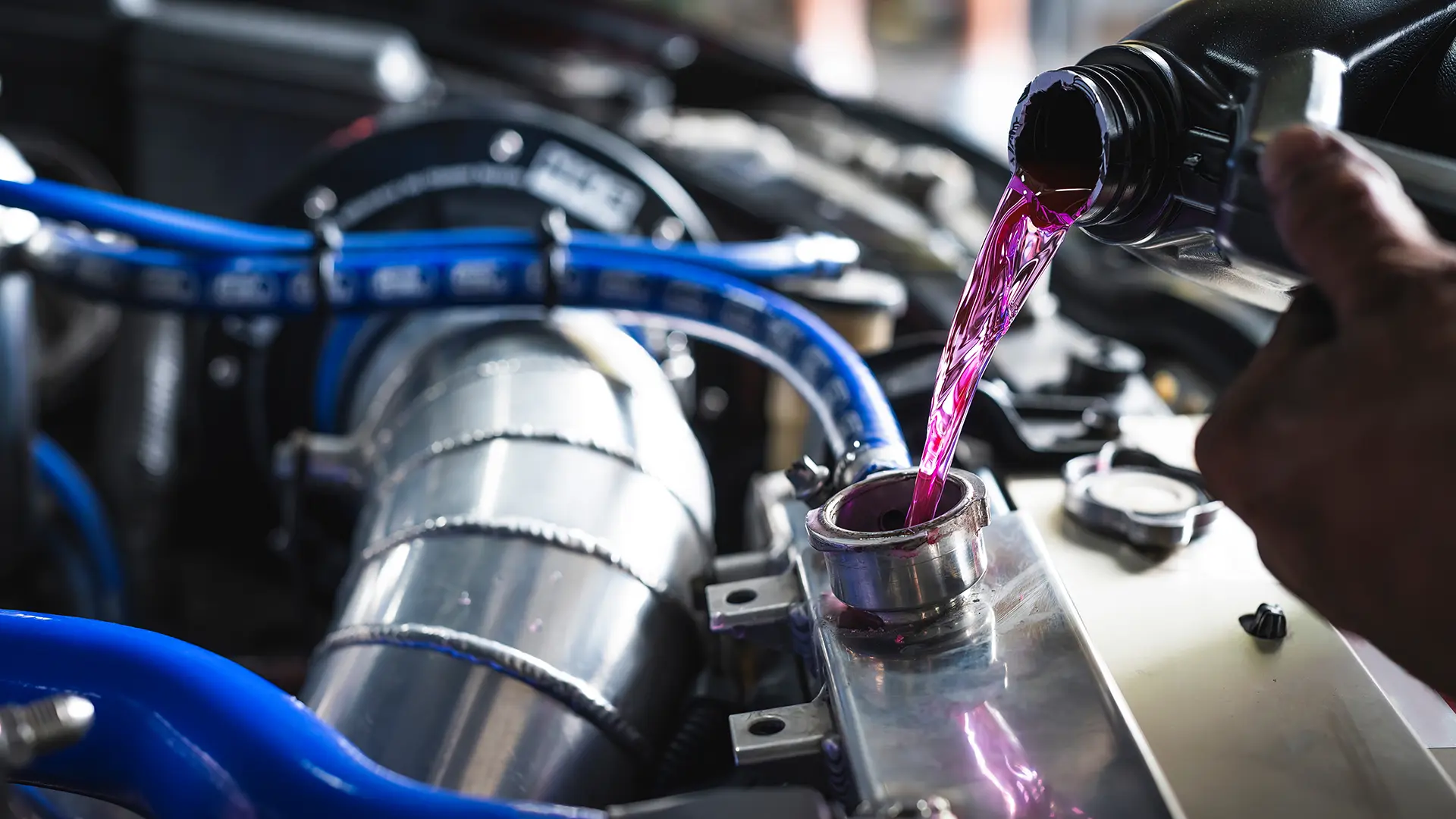
Cooling problems require a system-wide check.

The radiator, thermostat, water pump, fans, hoses, and coolant work together to control engine temperature. OOROO investigates leaks, overheating, and circulation concerns before recommending repairs. Replacing the radiator alone will not solve a fault elsewhere in the cooling system.

Cooling-system service

Service may include

Inspect radiator and visible coolant leaks
Review coolant condition and service needs
Check thermostat operation when indicated
Inspect water pump and coolant circulation
Inspect radiator and heater hoses
Assess cooling fans and related controls
Perform pressure testing as appropriate

Respond early to cooling-system changes

Overheating is a reason to stop driving.

Watch for a rising temperature gauge, coolant loss, steam, or repeated low-coolant warnings. Pull over safely and shut off the engine if it overheats. Do not open a hot cooling-system cap; pressurized coolant can cause burns. Arrange assistance before continuing with an unresolved overheating problem.
Get Service
10% OFF with the Happy Car Club℠℠
Sign up
Already a member? Sign in

Radiator & Cooling System FAQs

Planning your service

Understand coolant selection, leak diagnosis, and cooling-system service.

For general questions about OOROO, visit our customer FAQs.

How often should coolant be replaced?
Use the time and mileage interval for your vehicle and coolant specification. Different coolant formulations and vehicle designs have different requirements. A blanket interval is not reliable, and contamination or a cooling-system repair may call for separate service.
Can I use water instead of coolant?
Plain water is not a suitable routine substitute for the specified coolant mixture. Coolant provides corrosion protection and the intended boiling and freezing protection. Follow the manufacturer’s coolant and mixing instructions; do not open the system while it is hot.
Why does my engine overheat only in traffic?
A cooling-fan or airflow problem may become more noticeable at low speeds, but low coolant, circulation faults, or other issues can produce similar symptoms. Testing should reproduce the conditions and check the whole system instead of assuming the radiator is blocked.
Does a coolant puddle mean I need a new radiator?
No. Leaks can come from hoses, connections, the reservoir, water pump, radiator, or other components. Identifying the source—sometimes with pressure testing—helps determine the repair. Clear A/C condensation can also appear beneath a parked vehicle.
What happens after a cooling-system repair?
The system needs the correct coolant, proper filling and air removal, and checks for leaks and operating temperature. Procedures vary by vehicle. Persistent air, an unresolved leak, or a separate fan or thermostat fault can cause overheating to return.